Anthropic Claude
Integrations
Protect your RDS database from exposure, attacks, and misconfiguration.



The Challenge
Databases like RDS are critical for managing enterprise data, but they face significant security risks. Databases are vulnerable to numerous threats like an SQL injection attack, which can leave sensitive data exposed.
Solution
Concentric AI detects risks such as unauthorized access attempts and misconfigured permissions, alerting security teams to take real-time action.
SQL injection
SQL injection attacks can exploit vulnerabilities in query logic to access sensitive data. Concentric AI identifies these attack patterns early.
Weak access controls
Improper access controls leave sensitive database information vulnerable. Concentric AI audits and remediates access control gaps, ensuring only authorized personnel can access critical data.
Amazon RDS is commonly used to store customer, financial, employee, application, and other sensitive business data. Common security risks include misconfigured security groups, excessive IAM or database privileges, compromised credentials, weak authentication, SQL injection, publicly accessible databases, and unpatched or misconfigured database engines. Because RDS is managed by AWS, organizations may also assume that security is handled entirely by the cloud provider and overlook risks within their own configuration and data-access controls.
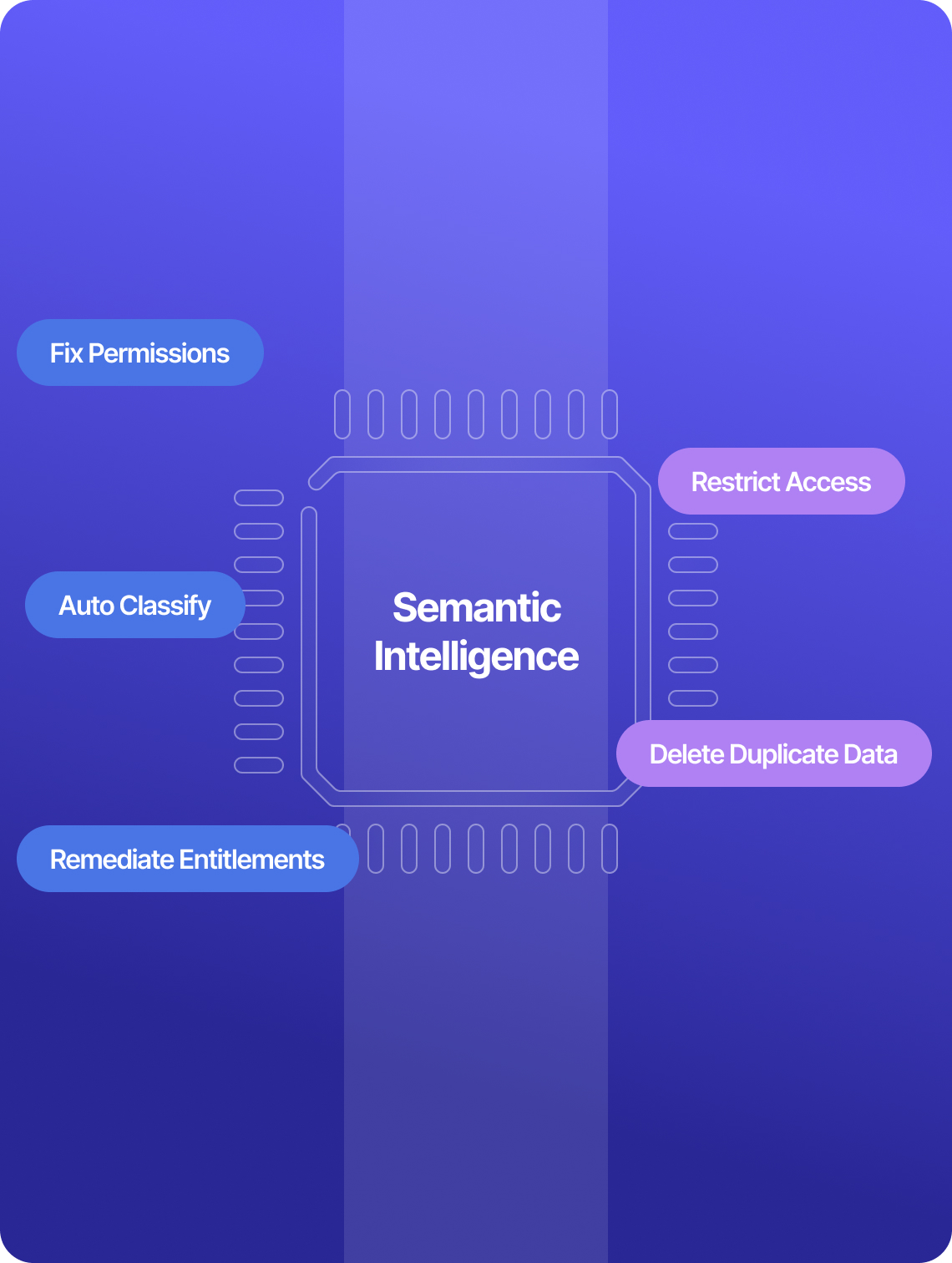
Effective RDS security requires understanding more than the database configuration. Security teams need to know what sensitive data is stored in RDS, who or what can access it, and whether that access is appropriate. Concentric AI continuously discovers and classifies sensitive data in RDS and connects it to identities, permissions, and access activity. This helps organizations identify high-risk exposure and prioritize remediation based on the sensitivity of the underlying data.
SQL injection attacks target applications that improperly incorporate untrusted input into database queries. When an application connected to Amazon RDS is vulnerable to SQL injection, an attacker may be able to manipulate queries to access, modify, or delete data beyond what the application was intended to expose. The potential impact depends on the database privileges available to the compromised application identity.
Organizations can reduce SQL injection risk through parameterized queries, prepared statements, input validation, secure coding practices, application security testing, and least-privilege database permissions. Concentric AI complements these controls by discovering and classifying sensitive data in RDS and helping security teams understand which sensitive information could be exposed if an application or database identity is compromised. This provides additional context for prioritizing vulnerabilities and response based on the data at risk.
Under the AWS shared responsibility model, AWS is responsible for securing the underlying cloud infrastructure and managed RDS service, while customers remain responsible for security decisions within their environment. Depending on the RDS configuration, this includes areas such as database access, IAM policies, network configuration, authentication, encryption settings, application security, permissions, and the data stored in the database.
Security gaps can emerge when organizations assume that AWS-managed infrastructure also means their data and access controls are automatically secure. Concentric AI adds visibility at the data layer by discovering and classifying sensitive information in RDS and connecting it with identities, permissions, and access activity. This helps security teams identify where sensitive data is exposed through customer-controlled configurations or access decisions, complementing AWS's infrastructure-level protections.
Amazon RDS access can involve multiple layers, including AWS IAM, database users and roles, security groups, network controls, and application identities. This can make it difficult to determine who ultimately has access to sensitive database information. Over time, excessive privileges, stale accounts, broad security-group rules, and service accounts with more access than necessary can create significant exposure.
Concentric AI combines sensitive-data discovery with identity and access context to show which users, applications, and other identities can access sensitive information in RDS. Security teams can identify excessive access, prioritize permissions that expose high-value data, and take remediation actions to reduce unnecessary access. This data-centric approach supports least-privilege access while helping teams focus their efforts where they can have the greatest security impact.
The compliance requirements for data stored in Amazon RDS depend on the type of information, industry, geographic location, and applicable regulations. Depending on the environment, RDS databases may contain information subject to GDPR, HIPAA, PCI DSS, CCPA/CPRA, SOC 2, and other privacy and security requirements.
Compliance requires organizations to understand where sensitive and regulated data resides, who can access it, and whether appropriate safeguards are in place. AWS provides a range of security and compliance capabilities, but customers remain responsible for protecting their data and configuring their environments appropriately. Concentric AI helps provide data-level visibility by continuously discovering and classifying sensitive information in RDS, analyzing access and exposure, and identifying potential compliance risks.