Anthropic Claude
Integrations
Protect your data warehouse from exposure, leakage, and misconfiguration.


The Challenge
Data warehouses like Amazon Redshift are essential for storing and analyzing large-scale data, but they face numerous security risks. These systems are vulnerable to threats such as weak encryption, improper access controls, and data exfiltration, which can expose sensitive business information.
Solution
Concentric AI detects risks such as unauthorized access attempts and misconfigurations in access permissions, alerting security teams to take real-time action.
Zero Trust Challenges
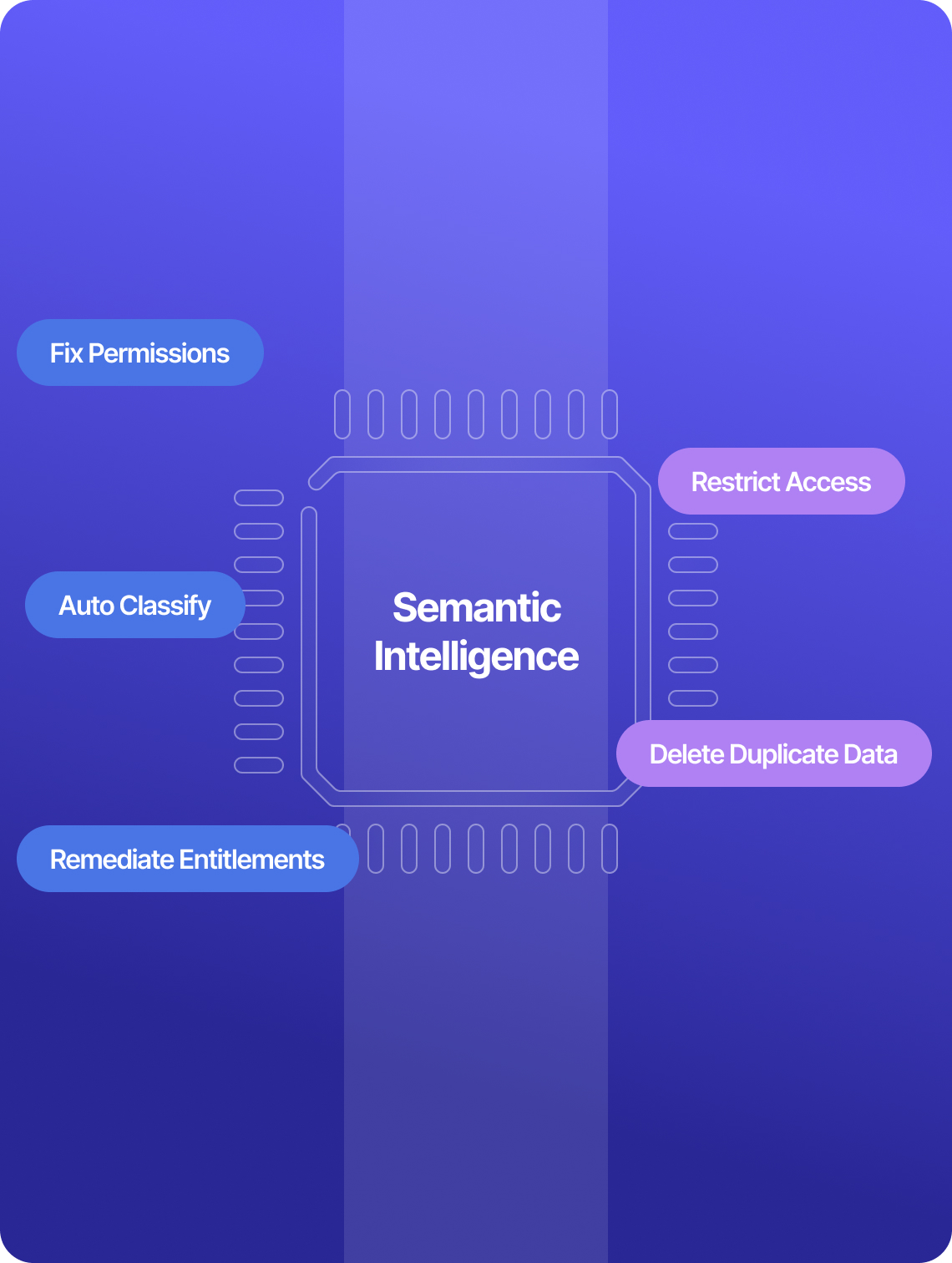
Concentric AI can fix permissions, adjust entitlements, disable unauthorized access, and ensure data is classified correctly. Meet governance regulations, implement zero-trust practices, and prevent data loss across your data warehouse.
Data exfiltration prevention
Unauthorized data extraction is a serious risk for data warehouses. Concentric AI monitors and alerts security teams to potential data exfiltration attempts, protecting sensitive business data from being compromised.
Amazon Redshift is often used as a central analytics warehouse, which means it can contain large volumes of sensitive customer, financial, employee, transactional, and business data. Common security risks include overly permissive IAM policies, excessive database privileges, compromised credentials, misconfigured clusters, unauthorized data access, insecure data sharing, and data exfiltration. The concentration of information in an analytics environment can make a single access-control gap particularly consequential.
Securing Redshift requires more than reviewing cluster configurations and permissions. Security teams need to understand what sensitive data is stored in Redshift, who or what can access it, and whether that access is appropriate. Concentric AI continuously discovers and classifies sensitive data in Redshift and connects that context to identities, permissions, and access activity. This helps organizations identify high-risk exposure and prioritize remediation based on the sensitivity of the underlying data.
Amazon Redshift frequently works with other AWS services, including Amazon S3 and Amazon RDS, to ingest, export, transform, and analyze data. These integrations can create additional paths through which sensitive information moves between services. For example, data may be loaded from S3 into Redshift for analytics or moved between Redshift and RDS as part of an application or data pipeline. Each connection introduces additional identities, permissions, and access relationships that need to be governed.
The challenge is maintaining visibility into where sensitive data resides, how it moves across AWS services, and which identities can access it at each stage. Concentric AI provides data-level context across cloud environments, helping organizations discover and classify sensitive information across Redshift, S3, RDS, and other connected repositories. This makes it easier to identify inappropriate access and understand the broader exposure created by interconnected data environments.
Preventing data exfiltration from Redshift requires controlling who and what can access warehouse data and monitoring how that information is queried, exported, or moved to other systems. Organizations should apply least-privilege IAM and database permissions, strong authentication, network controls, encryption, appropriate data-sharing policies, and monitoring of unusual query and export activity. Special attention should be given to privileged accounts, service accounts, and automated data pipelines that may have broad access.
Concentric AI adds data-level context by continuously discovering and classifying sensitive information in Redshift and connecting it to identities and access activity. Security teams can determine which sensitive data is accessible to an identity, identify excessive access, and prioritize suspicious activity involving high-value information. This helps organizations focus exfiltration controls and remediation efforts on the data that presents the greatest risk.
A zero trust approach to Amazon Redshift means treating every user, application, and service as requiring explicit, appropriately scoped access rather than trusting identities based on network location or organizational membership. Organizations should implement least-privilege IAM and database permissions, strong authentication and MFA, network segmentation, granular access policies, continuous monitoring, and regular reviews of users, roles, and service accounts.
Effective zero trust also requires understanding the data behind those permissions. Concentric AI discovers and classifies sensitive information in Redshift and connects data sensitivity with users, roles, applications, and access relationships. This helps security teams determine whether an identity's access to sensitive datasets is appropriate, identify unnecessary privileges, and reduce exposure while preserving legitimate analytics workflows.
The compliance requirements for data stored in Amazon Redshift depend on the type of information, industry, geographic location, and applicable regulations. Depending on the environment, Redshift may contain information subject to GDPR, HIPAA, PCI DSS, CCPA/CPRA, SOC 2, and other privacy and security requirements.
Compliance requires organizations to understand where sensitive and regulated data resides, who can access it, how it moves between connected systems, and whether appropriate safeguards are in place. Concentric AI helps provide this data-level visibility by continuously discovering and classifying sensitive information in Redshift, analyzing access and exposure, and identifying potential compliance risks. This enables security and compliance teams to strengthen data governance and reduce unnecessary exposure across Redshift and connected AWS data environments.