Anthropic Claude
Integrations
Protect your business communications from exposure, leakage, and misconfiguration.



The Challenge
Platforms like Confluence are essential for collaboration and data sharing, but they introduce security risks, especially around unstructured data. These solutions are vulnerable to issues such as external sharing misconfigurations, unauthorized access, oversharing and data exfiltration — compromising sensitive business communications.
Solution
Concentric AI detects risks such as oversharing, unauthorized access attempts and misconfigurations in sharing permissions, alerting security teams to take real-time action and protect unstructured data like documents, messages, and files.
Securing unstructured data
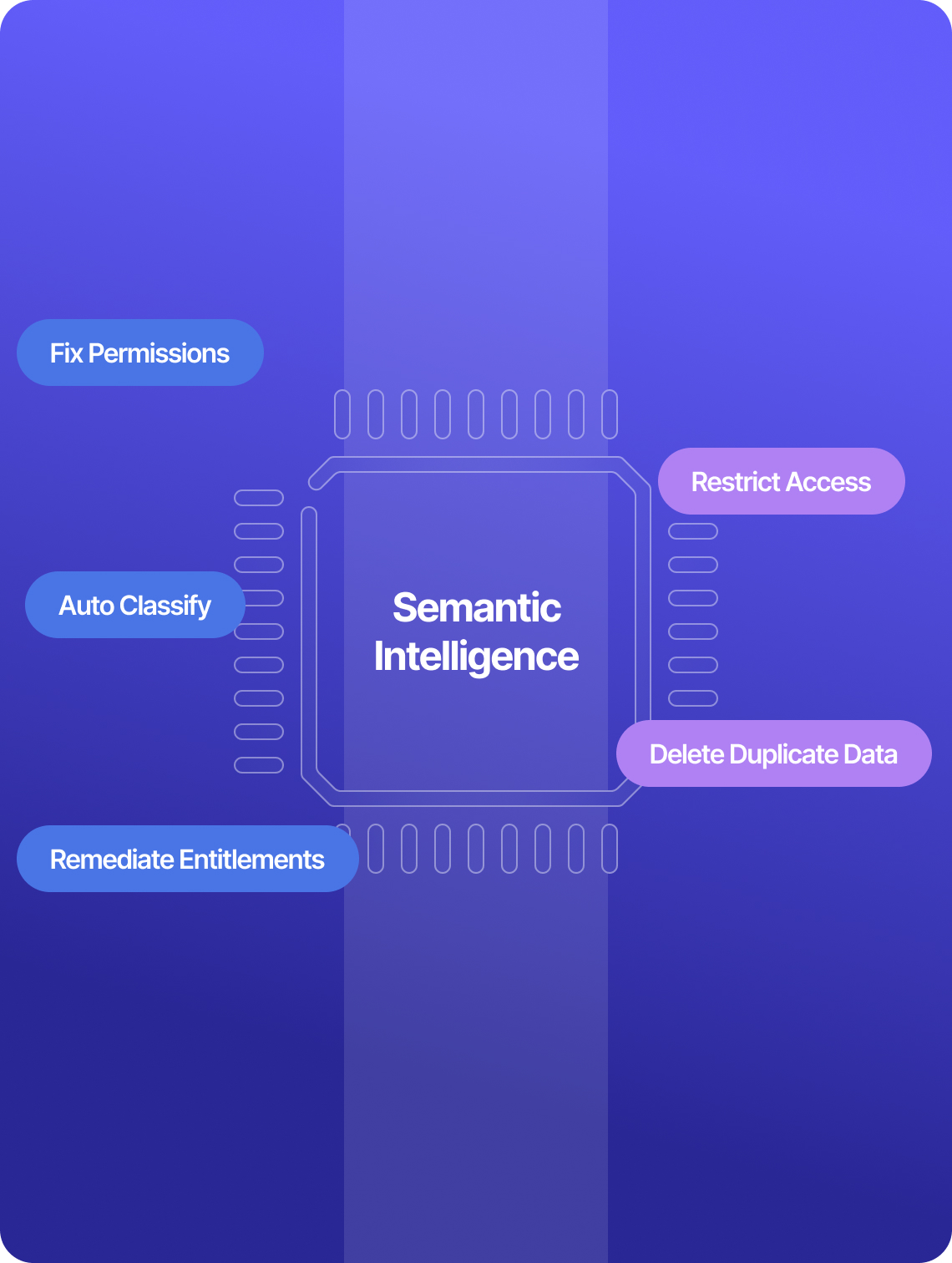
Communication platforms contain vast amounts of unstructured data such as messages, documents, and files. Concentric AI helps classify and protect all that data by fixing misconfigurations, managing permissions, and ensuring sensitive information is properly protected.
Data exfiltration prevention
Communication platforms are susceptible to data leakage through external sharing or unauthorized access. Concentric AI monitors for data exfiltration attempts, and autonomously remediates risk to ensure that sensitive business data remains secure.
Confluence contains valuable business knowledge, including intellectual property, product plans, customer information, technical documentation, credentials, and confidential business content. Common data security risks include oversharing, excessive permissions, external access, stale or inherited permissions, compromised accounts, and sensitive information remaining accessible to users who no longer need it.
The challenge is that Confluence content is highly unstructured and often created collaboratively over time. Security teams need to understand what sensitive information is contained in pages and attachments, who can access it, how broadly it is shared, and whether that access is appropriate.
Concentric AI continuously discovers and understands sensitive data in Confluence and analyzes it in the context of users, groups, permissions, and exposure. This helps security teams identify high-risk content, reduce unnecessary access, and remediate sensitive data exposure across Confluence.
Confluence provides important native security capabilities, including permissions, access controls, authentication, auditing, and administrative policies. However, these controls alone may not provide the data-level visibility and context organizations need to fully protect sensitive business content.
Effective Confluence data security requires more than controlling access to spaces and pages. Organizations need to understand what sensitive information those pages contain, who can access it, how broadly it is shared, and whether that access remains appropriate over time.
Concentric AI complements Confluence security by continuously discovering and understanding sensitive content, analyzing access and exposure risks, and identifying excessive or inappropriate permissions. This gives security teams the context needed to prioritize risk and remediate exposure while continuing to use Confluence's native security controls.
To find and fix oversharing in Confluence, organizations should regularly review space and page permissions, user and group access, external sharing, inherited permissions, and other access relationships. Security teams should identify sensitive content that is accessible to more users than necessary and remove unnecessary permissions.
The challenge is that permission reviews alone don't reveal whether access is appropriate. Security teams need to know what sensitive information is contained in the content and whether the users who can access it actually need that access.
Concentric AI connects sensitive data discovery with access analysis to identify overshared Confluence pages, attachments, and other content. By analyzing data sensitivity alongside users, groups, permissions, and exposure, Concentric AI helps security teams prioritize high-risk access and automate remediation to enforce least-privilege access.
Yes. AI can help classify and protect unstructured data in Confluence by understanding the meaning and context of pages, documents, attachments, and other content rather than relying solely on keywords, patterns, or predefined rules.
Concentric AI uses patented language models to understand the context of unstructured data in Confluence and identify sensitive information at scale. It can continuously discover and classify sensitive content, analyze who has access to it, identify exposure risks, and surface information that requires additional protection.
By combining AI-powered data understanding with access and exposure analysis, Concentric AI helps security teams protect sensitive business content in Confluence without requiring them to manually review individual pages and files.
The compliance requirements that apply to data stored in Confluence depend on your industry, location, and the types of information your organization collects and processes. Common regulations and frameworks include GDPR, HIPAA, PCI DSS, CCPA/CPRA, SOC 2, and NIST, along with industry-specific and regional data protection requirements.
Confluence and Atlassian provide security, access controls, auditing, administrative policies, and other capabilities that can help organizations meet compliance requirements. However, compliance requires more than securing the collaboration platform. Organizations also need to understand what sensitive data is stored in Confluence, who can access it, how it is shared, and whether it remains appropriately protected.
Concentric AI complements Confluence security and governance by continuously discovering and understanding sensitive data, analyzing access and exposure risks, and identifying potential compliance gaps. This helps security and compliance teams reduce unnecessary data exposure, maintain appropriate access controls, and improve visibility into sensitive information across Confluence and the broader enterprise.