Anthropic Claude
Integrations
Protect your data warehouse from exposure, leakage, and misconfiguration.


The Challenge
Data warehouses like MySQL are essential for storing and analyzing large-scale data, but they face numerous security risks. These systems are vulnerable to threats such as weak encryption, improper access controls, and data exfiltration, which can expose sensitive business information.
Solution
Concentric AI detects risks such as unauthorized access attempts and misconfigurations in access permissions, alerting security teams to take real-time action.
Zero trust challenges
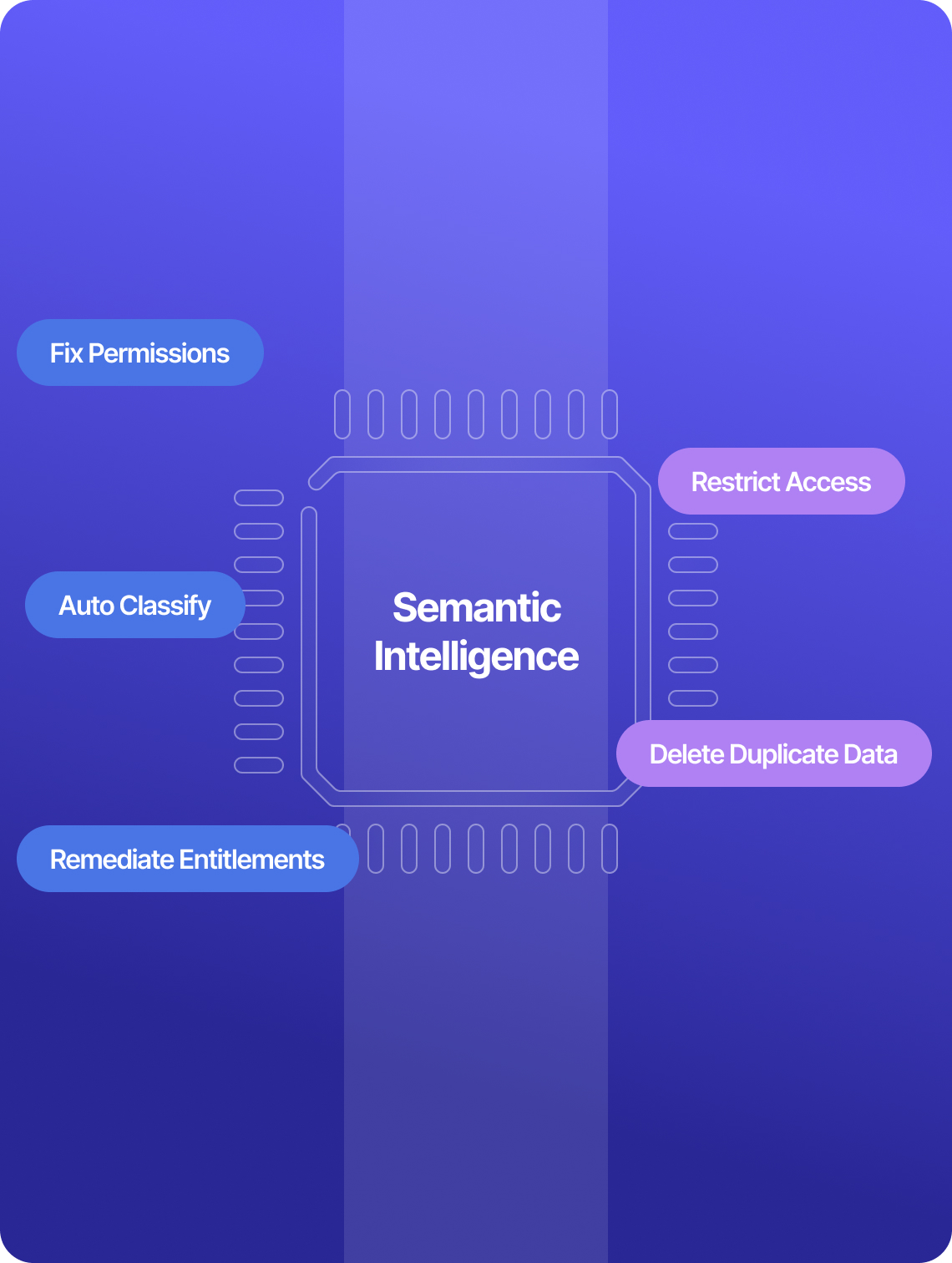
Concentric AI can fix permissions, adjust entitlements, disable unauthorized access, and ensure data is classified correctly. Meet governance regulations, implement zero-trust practices, and prevent data loss across your data warehouse.
Data exfiltration prevention
Unauthorized data extraction is a serious risk for data warehouses. Concentric AI monitors and alerts security teams to potential data exfiltration attempts, protecting sensitive business data from being compromised.
MySQL databases often contain sensitive customer, financial, employee, application, and operational data, making them an important target for attackers. Common risks include excessive privileges, misconfigured users and roles, weak authentication, compromised credentials, SQL injection, unpatched vulnerabilities, and unauthorized access to sensitive databases or tables. Long-running MySQL environments can also accumulate outdated accounts and permissions that no longer reflect current business requirements.
Securing MySQL requires more than reviewing database configurations and permissions. Security teams need to understand what sensitive data is stored in MySQL, who can access it, and whether that access is appropriate. Concentric AI continuously discovers and classifies sensitive data in MySQL and connects that information to identities and access relationships. This helps organizations identify high-risk exposure, reduce unnecessary access, and prioritize remediation based on the sensitivity of the underlying data.
SQL injection occurs when an application improperly incorporates untrusted input into a database query, allowing an attacker to manipulate the query or execute unintended SQL commands. In MySQL, a successful SQL injection attack can potentially expose, modify, or delete sensitive data and may allow an attacker to gain broader access through the compromised application or database account.
Organizations can reduce SQL injection risk through parameterized queries, prepared statements, input validation, secure coding practices, and least-privilege database accounts. Regular patching and application security testing are also important. Concentric AI complements these preventive controls by identifying and classifying sensitive data in MySQL and showing which data could be exposed if an application or database identity is compromised, helping security teams prioritize protections and response based on the actual data at risk.
A zero trust approach to MySQL assumes that no user, application, or service should receive implicit access to database resources simply because it is inside the corporate network. Organizations should apply least-privilege access, strong authentication, granular permissions, network segmentation, continuous monitoring, and regular access reviews. Access should be based on verified identity and business need rather than broad database or network membership.
A critical part of zero trust is understanding what each identity is actually accessing. Concentric AI adds data-level context by discovering and classifying sensitive information in MySQL and connecting it to users, applications, and access permissions. This helps security teams determine whether an identity's access to sensitive tables or databases is appropriate and identify opportunities to reduce unnecessary privileges.
MySQL provides logging and auditing capabilities that can help organizations monitor authentication activity, database connections, queries, and other events. These controls can help identify failed login attempts, unusual database activity, privilege misuse, and other indicators of potentially unauthorized access. However, database activity logs do not necessarily show how sensitive the accessed data was or what the potential business impact could be.
Concentric AI adds data-level context by connecting MySQL access activity with the sensitivity of the information involved. Security teams can understand who accessed sensitive data, what data was involved, what actions were taken, and whether the activity appears risky. This helps teams distinguish routine database activity from potentially dangerous behavior, investigate suspicious access, and prioritize incidents involving sensitive information.
The compliance requirements for MySQL depend on the type of data stored, the organization's industry, geographic location, and applicable regulations. Depending on the environment, MySQL databases may contain information subject to GDPR, HIPAA, PCI DSS, CCPA/CPRA, SOC 2, and other privacy and security requirements.
Compliance requires organizations to understand where sensitive and regulated data resides, who can access it, and whether appropriate safeguards are in place. Concentric AI helps provide this data-level visibility by continuously discovering and classifying sensitive information in MySQL, analyzing access and exposure, and identifying potential compliance risks. This enables security and compliance teams to strengthen data governance, reduce unnecessary exposure, and demonstrate greater control over sensitive database information.